viernes, 3 de mayo de 2019

Casas prefabricadas, lagos, fuentes y piscinas

PREFABRICAMOSVIVIENDAS

Casas prefabricadas de madera.
Mobile homes y casas espejo.
Casas prefabricadas de poliestireno expandido de alta densidad.
Soluciones flotantes.
Lagos de cristal llenos de vida y fuentes.
Mundo de la piscina y los parques acuáticos

 
Usted está subscrito como: form.online.extremadura.reaaicle@blogger.com

Pulse aquí para darse de baja

NUESTRAS CASAS DE MADERA I


EJEMPLO CASA DE 100 M2:

  • CASAS 100 M2 X 750€ M2 = 75.000€
  • CIMENTACIÓN 100 M2 X 65€ M2 = 6.500€
  • TOTAL  CONSTRUCCIÓN = 75.000 + 6.500 = 81.500€
  • ARQUITECTO 10% = 8.150€. CON PROYECTO, DIRECCIÓN DE OBRA, VISADOS Y SEGURO DE RESPONSABILIDAD CIVIL.
  • APAREJADOR  3,5% = 2.745€. CON DIRECCIÓN DE OBRA, COORDINACIÓN DE SEGURIDAD Y SEGURO DE RESPONSABILIDAD CIVIL.
  • LICENCIA DEL AYUNTAMIENTO 6% = 4.890€
  • TOTAL PRESUPUESTO ESTIMADO = 97.285
  • IVA NO INCLUIDO
  • EL TIEMPO ESTIMADO DE REALIZACIÓN DESPUÉS DE LA OBTENCIÓN DE LA LICENCIA DE OBRA SERÁ DE TRES MESES


NUESTRAS CASAS DE MADERA II

EJEMPLO DE CASA DE 100 M2

  • CASAS 100 M2 X 800€ M2 = 80.000€
  • CIMENTACIÓN 100 M2 X 65€ M2 = 6.500€
  • TOTAL  CONSTRUCCIÓN = 80.000 + 6.500 = 86.500€
  • ARQUITECTO 10% = 8.650€. CON PROYECTO, DIRECCIÓN DE OBRA, VISADOS Y SEGURO DE RESPONSABILIDAD CIVIL.
  • APAREJADOR  3,5% = 3.028€. CON DIRECCIÓN DE OBRA, COORDINACIÓN DE SEGURIDAD Y SEGURO DE RESPONSABILIDAD CIVIL.
  • LICENCIA DEL AYUNTAMIENTO 6% = 5.190€
  • TOTAL PRESUPUESTO ESTIMADO = 103.368€
  • IVA NO INCLUIDO
  • EL TIEMPO ESTIMADO DE REALIZACIÓN DESPUÉS DE LA OBTENCIÓN DE LA LICENCIA DE OBRA SERÁ DE TRES MESES


NUESTRAS CASAS MOBILE HOMES

 
****************************************************************************************************************************


*****************************************************************************************************************************


EJEMPLO CASA DE 50 M2:
  • CASAS 50 M2 X 650€ M2 = 32.000€
  • TOTAL PRESUPUESTO ESTIMADO = 32.500€
  • IVA NO INCLUIDO
  • TRANSPORTE E INSTALACIÓN NO INCLUIDOS EN EL PRECIO
CASAS ESPEJO O CASAS INVISIBLES

Estas casas reflejan los entornos maravillosos que las rodean, creando estructuras que se funden con la naturaleza. La mayoría de los espejos se construyen con vidrio reflectante ultravioleta, un material que resulta casi invisible al ojo humano, pero visible para las aves.


CASAS DE POLIESTIRENO EXPANDIDO DE ALTA DENSIDAD

EJEMPLO CASA DE 100 M2:

  • CASAS 100 M2 X 650€ M2 = 65.000€
  • CIMENTACIÓN 100 M2 X 65€ M2 = 6.500€
  • TOTAL  CONSTRUCCIÓN = 65.000 + 6.500 = 71.500€
  • ARQUITECTO 10% = 7.150€. CON PROYECTO, DIRECCIÓN DE OBRA, VISADOS Y SEGURO DE RESPONSABILIDAD CIVIL.
  • APAREJADOR  3,5% = 2.503€. CON DIRECCIÓN DE OBRA, COORDINACIÓN DE SEGURIDAD Y SEGURO DE RESPONSABILIDAD CIVIL.
  • LICENCIA DEL AYUNTAMIENTO 6% = 4.290€
  • TOTAL PRESUPUESTO ESTIMADO = 81.203€
  • IVA NO INCLUIDO
  • EL TIEMPO ESTIMADO DE REALIZACIÓN DESPUÉS DE LA OBTENCIÓN DE LA LICENCIA DE OBRA SERÁ DE TRES MESES

SOLUCIONES FLOTANTES
 
La construcción flotante es un campo empresarial que crece a nivel mundial. La popularidad sigue creciendo y la gente fluye desde las ciudades a las zonas costeras del mar o de los lagos. Los hoteles y restaurantes buscan soluciones en las costas y vivir con vistas al mar. 


SOMOS EXPERTOS EN LAGOS DE CRISTAL LLENOS DE VIDA Y FUENTES

SOMOS EXPERTOS EN LA REALIZACIÓN DE PISCINAS DE MUY BAJO PESO PARA NO SOBRECARGAR LA ESTRUCTURA DEL EDIFICIO.
 

Y TAMBIÉN OS PRESENTAMOS NUESTROS PRODUCTOS:

  • PISCINAS DE VIDRIO.
  • PISCINAS DE ARENA, TROPICALES Y DE PLAYA.
  • PISCINAS ECOLÓGICAS.
 
  • PARQUES ACUÁTICOS.
 
Para todo lo expuesto, nos ponemos a su disposición para cualquier consulta que estime oportuna y si lo desea puede llamarme al +34 639124667 o escríbeme al correo prefabricamosviviendas@gmail.com.
 
Un saludo y quedo a la espera de sus noticias

Director e ingeniero

Teléfono: +34 639 12 46 67
prefabricamosviviendas@gmail.com
www.prefabricamosviviendas.com

NOTA:

Áreas Termales le informa que sus datos han sido incluidos en el fichero "Clientes destinatarios de servicios de Áreas Termales" con la finalidad de hacerle partícipe de las campañas informativas que pudieran resultar de su interés. Dichos datos proceden de directorios de servicios de comunicaciones electrónicas, los cuales están catalogados por la Ley Orgánica de Protección de Datos 15/1999 como "fuentes accesibles al público", o han sido facilitados por usted. Dicha Ley le garantiza el derecho de acceso, según el cual podrá solicitar y obtener gratuitamente información de sus datos de carácter personal sometidos a tratamiento, el origen de los mismos y las comunicaciones realizadas o que se prevén hacer. Así mismo, le asiste el derecho a oponerse, previa petición y sin gastos, al tratamiento de los datos que le conciernen. En ese caso, dichos datos serían dados de baja en el fichero.

HEALTHY BODY

Subject:     TRANSVERSAL SUBJECT

Teacher:    MARÍA JESÚS VILLEGAS PÉREZ

Title of the Unit :    HEALTHY BODY

Course / Level :    1º ESO   


Healthy Body is a Didactic Unit designed to teach a transversal subject for a group of 1St year of ESO. This D.U. is settled to be developed within  4 sessions and the last one will be used as a final proyect. Students are expected to reach the following objectives:


To know about the benefits of a healthy diet.

To identify and value healthy habits to prevent diseases.

To know about the benefits of exercise and a healthy diet

To learn the importance of health in the life of the human being.


1st session :

Warm-up: The description of a photo with people eating junk food to introduce the topic and to encourage a short chat.

https://drive.google.com/drive/u/3/folders/1JeaaK5WQWrKdl3sohTZnAFl9Jz5_zFU7

Reading: You are what you eat. Pre, while and post reading activities involving the four skills.

https://drive.google.com/drive/u/3/folders/1JeaaK5WQWrKdl3sohTZnAFl9Jz5_zFU7


2nd session :

Warm-up: Watch a short clip about the consequences of smoking.

https://www.youtube.com/watch?v=Y18Vz51Nkos

Listening: pre, while and post listening activities that should lead to debate. Possible solutions/advice to reduce the number of young smokers.

ICT activities: extra vocabulary by using online resources.

https://wordwall.net/resource/364293/health

https://quizlet.com/subject/HELATH/


3rd session :

Warm up: Short presentation about student´s healthy habits.

TedTALK video on unhealthy habits and stress. Comparison of ideas and debate.

https://www.youtube.com/watch?v=v-t1Z5-oPtU


4th session:

Create a poster to promote healthy lifestyles.


https://drive.google.com/drive/u/3/folders/1JeaaK5WQWrKdl3sohTZnAFl9Jz5_zFU7  

María Jesús Villegas Pérez.


Virus-free. www.avast.com

jueves, 2 de mayo de 2019

Human Reproduction.


CLIL unit for ESO3 (Science). Human Beings and the Environment

TEACHER: Marina Hurtado, IES Alqázeres

CLASS/LEVEL: 3º ESO (MEC-British Council Programme)

SUBJECT AREA: SCIENCE

DIDACTIC UNIT TITLE: Human beings and the environment


Although the area is Science (Biology), instead of designing this unit with a sheer scientific focus, I will always approach it from either a social, cultural and/or linguistic point of view (or all) as such is my current duty and my role in the MEC-British Council Programme at my school.

LEARNING OUTCOMES/ EVALUATION CRITERIA

  1. To understand the relationship between humans and the environment.

  2. To understand the need to respect the environment as a guarantee of our own survival.

  3. To learn about the natural resources that humans beings require.

  4. To understand that human activities have an impact on the natural environment which changes the quality of the latter.

  5. To appreciate the need to use energy efficiently and to save energy.

  6. To understand the various uses of water and the measures required to manage it correctly.

  7. To be aware of the main environmental problems today.

  8. To understand the problems associated with waste and know the different types and to describe how waste is managed.

  9. To accept that sustainable development is the best solution to maintain and improve the quality of life without destroying the environment.


The learning objectives are directly connected to the evaluation criteria.

CONTENTS

  • Natural resources: the students will be aware of the need to appreciate natural resources and the need to use them appropriately.

  • The efficient use of energy. The students will understand the importance of being a responsible consumer and of different ways of saving.

  • Water, the source of life and its uses and management.

  • Environmental problems. I will try to encourage an interest in reading, watching and understanding environmental topics.

  • Waste.

  • Waste management.

  • Sustainable development and the environment.


ACTIVITY 3.1. LINK TO MY FILE


SESSION 1.

WARMING UP: SPEAKING


1. Throw a ball around the room and use it to ASK QUESTIONS like What is something you like about the environment?


Ask students to define environment; ask students to name something that they do not like but they see it is happening in the environment.

Ask more questions like:

Do you reuse, reduce and recycle?

Do you know what your carbon footprint is?

What is climate change?

Why are plastics a big problem?

Have you heard of Greta Thunberg before?


POSTER DESIGN

2. You are going to watch MAN, an animated film, by Steve Cutts two times. During the first time just focus on watching and understanding. Then, your teacher will give you an A3 sheet where while watching it for the second time, you must write down and/or draw all the ideas you see in the film in the shape of sun-rays (the sun will be the title you will choose for this short film whereas the rays will be the ideas that come to your mind while watching this video).


Teacher: Model an example with the class.

At the end of the class, display the students' posters on the walls.

A class discussion on CAUSE and EFFECT is also possible:

Ask the students What does the word "effect" mean? Or What are the effects on plants, people, animals round the world who come into contact with dirty water?

Ask the students to name a couple of causes (reasons why) the environment is becoming damaged; ask the students to name a couple of effects that this damage has on people, on animals or on the environment.


LINK TO THE VIDEO: https://www.youtube.com/watch?v=WfGMYdalClU&t=27s


OUTPUT SAMPLE: https://alqabritish.blogspot.com/2018/12/man-by-steve-cutts.html

I have already put into practice these two activities and this was the result, if you wish to have a look.

SESSION 2


The students will be given a worksheet with a pre-listening, while-listening and a post-listening task.

LANGUAGE FOCUS

3. VOCABULARY: Greta Thunberg's speech at UN Climate Change COP24 Conference.

A. PRE-LISTENING. Preparation task: Match the words to their definitions


1. headlines

2. on behalf of

3. economic growth

4. biosphere

5. sacrificed

6. crisis

7. fossil fuels

8. equity

9. beg

10. run out of

a. be used up.

b. ask someone earnestly or humbly for something.

c. the quality of being fair or impartial.

d. news stories important enough to appear on the front page of newspapers.

e. any combustible organic material, as oil, coal, or natural gas, derived from the remains of former life.

f. as a representative of (someone); (speaking) in place of or for someone.

g. a turning point in a situation.

h. destruction of something important for the sake of something having higher claim.

i. gradual increase in the production, distribution, and use of income, wealth, and goods and services.

j. the part of the earth's crust, waters, and atmosphere that supports life.


B. WHILE-LISTENING. Now watch the video and answer some comprehension questions.


Link to the video: https://www.youtube.com/watch?v=VFkQSGyeCWg (Greta Thunberg's speech at UN Climate Change COP24 Conference)


Comprehension questions will be included in the same worksheet as the vocabulary activity.


C. POST-LISTENING. CHECK YOUR UNDERSTANDING. Explain the following sentences using your own words.


1. you are never too small to make a difference you are never too small to make a difference.


2. the only sensible thing to do is pull the emergency brake.


3. Our civilisation is being sacrificed for the opportunity of a very small number of people to continue making enormous amounts of money.


4. It is the sufferings of the many which pay for the luxuries of the few.


5. Until you start focusing on what needs to be done rather than what it's politically possible, there is no hope.


6. We cannot solve a crisis without treating it as a crisis.


D. FOLLOW UP

Using the text-to-speech application available at: http://www.ttsdemo.com/ some questions will be posed:

  1. What do you do to improve the world?

  2. Did you know about Greta Thunberg and the students' movement?

  3. How big do you think is your own carbon footprint?

  4. What can you change to improve the world?

  5. What can governments do?

  6. Do you think plastic can become part of the food chain and enter our bodies too?

  7. Can you think of different ways to avoid plastic at home and recycling and reusing plastic?


Fast-finishers can work on a vocabulary activity that can be designed at https://www.wordsmyth.net/

This activity could be used as a good filler at any point during the development of the unit.

SESSIONs 3, 4 and 5

Gallery Walk1

1Based on the directions and ideas provided at www.theteachertoolkit.com


The students will be actively engaged on the theoretical framework of the unit as they walk throughout the classroom. They will be working together in small group (six groups of four students each) to share knowledge and respond to meaningful questions and problem-solving situations.

STEP 1. Six stations will be created, one per theoretical content:

    STATION 1. Natural resources and the need to use them appropriately.

    STATION 2. The efficient use of energy.

    STATION 3. Water, the source of life and its uses and management.

    STATION 4. Environmental problems.

    STATION 5. Waste and waste management.

    STATION 4. Sustainable development and the environment.

    STEP 2. The students will be grouped into six teams. Each group should start at a different station. The students will provide from home the following materials: Images, documents, problems, or quotes that may be used to mark the stations and illustrate the theoretical points covered. That will be HOMEWORK.


The teacher will prompt six questions/prompts about the current unit: Human Beings and the Environment.

You can use the template provided at: theteachertoolkit.com (http://www.theteachertoolkit.com/uploads/documents/Gallery_Walk_template_sec.docx)

or you could design your own worksheet with a quiz, for instance.

These questions will be placed in the different stations around the classroom that have already been created.


STEP 3. The students must gather all the information about their station using the book and/or some extra information from the internet, so we will need the laptop for this session. They can later display the information in the output of their choice: it could be a poster, an infograph, different cards, etc. At least one full session should be devoted to this step.

At the stations, groups will read what is posted and one recorder should write the group's responses, thoughts, and comments on the worksheet provided.


STEP 4. After a few minutes in a station, the teacher must ask the students to rotate to the next station, until all groups have visited each station. To involve all group members, the teacher can have groups switch recorders/readers at each station.

The teacher will be monitoring the stations while the students are actively involved in them.


STEP 5. The students go back to their first station to read all that has been added.


STEP 6. The teacher must bring the class back together to discuss what was learnt and make final conclusions about what they saw and discussed.


OUTPUT SAMPLE: https://alqabritish.blogspot.com/2019/04/gallery-walk-in-history-class-eso1.html

I have recently put into practice a modified version of this gallery walk in the History class and this was the result, if you wish to have a look.


SESSION 6

FOLLOW UP AND EVALUATION


Each group will create an interactive quiz on kahoot (https://kahoot.com/ ), as an informal assessment in which the students will be aware of their own knowledge acquisition as well as the impact of that knowledge on the rest of the group.


OPTIONAL ACTIVITY: Some food for thought

Watch the following video: The Man Clearing 9,000 Tons of Trash From Mumbai's Beaches at: https://www.youtube.com/watch?v=JtGsdiYdObQ&feature=youtu.be


After watching the video, discuss these questions in pairs


What is your real level of compromise with the environment?

Would you accept a cleaning-nature challenge? Will you post it on your social media?

Would you go on strike asking for action on climate change? Why/why not?


-- 
Marina Hurtado Alvarado


miércoles, 1 de mayo de 2019

I LOVE PLANTS

TITLE: I LOVE PLANTS

SUBJECT: SOCIAL SCIENCE

COURSE / LEVEL: 1º PRIMARY SCHOOL

This didactic unit deals with the knowledge of plants and the environment. It also deals with the knowledge of how to differentiate a living and non-living creature. Students will learn how ; 
To classify a living and a non-living thing
To describe the main characteristics of plants 
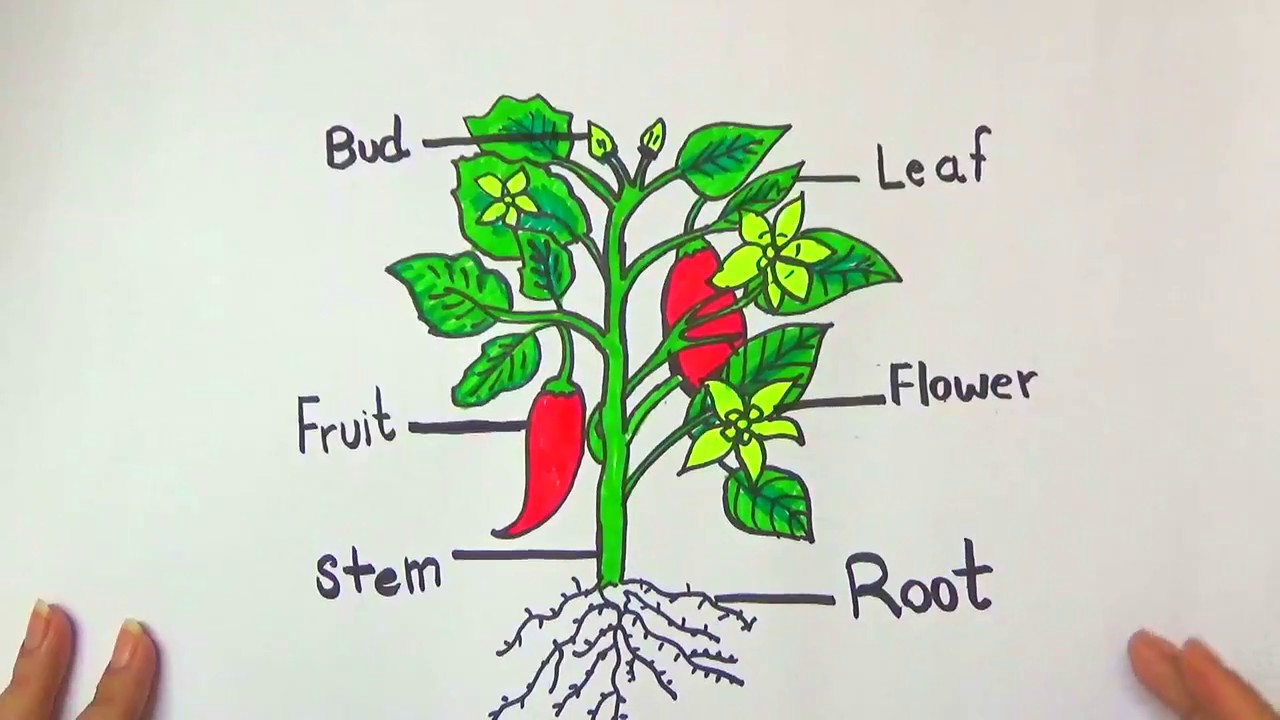
To know how to differentiate the parts of the  plants 
They will be aware of the importance of plants in our life, They will learn how to take care of them as they will learn the process of growing plants. 
Through a number of sessions students will be able to get enough knowledge in order to complete the final proyect about making a mural about the parts and the functions of a plant and a unusual recycling pot for a garden.

SESSION 1 
WARM UP SESSION. Brainstorming. Are you a living thing? 
Remember:  

Circle the living creatures;
Look at the following picture and make a list of living and non-living things; 
SESSION  2 
 WARM UP What are the parts of a plant? https://www.youtube.com/watch?v=X6TLFZUC9gI

SESSION 3 
 WARM UPWhat are the functions of leaves, flowers, roots?
 Click here:  https://kidsgrowingstrong.org/parts-of-a-plant/ there is an interactive panel where you will discover the main function of the parts of the plants.

Read the following short texts about plants https://kidsgrowingstrong.org/plants-change-history/

Now investigate about your favourite plant, fruit or vegetable and complete a research paper about how and where it grows, their properties etc.. https://docs.google.com/document/d/1tp04UxqHYusxaHtb-NRyOqYnsDD1gf00G-4rvkMMdYA/edit?usp=sharing

SESSION 4 
Start doing the final project a mural of the parts of the plants (https://i.ytimg.com/vi/yKcADvWLiDk/maxresdefault.jpg)
Then think about how important is recycling. Listen and repeat

SESSION 5
Exposition of  the  mural 

Making a garden of unusual  recycled objects: https://kidsgrowingstrong.org/recycled-containers/

Actividad 3.1


Sheila Sánchez Ruiz