lunes, 1 de junio de 2015

CLIL didactic unit Economics

Las actividades y toda la UD la podéis encontrar publicada en mi blog personal:


http://joseanroba.blogspot.com.es/


CLIL didactic unit


Subject:         ECONOMICS                                   Teacher: JOSÉ A. RODRIGUEZ BARREIRO


Title of the Unit: Economics                             Course / Level               4th ESO


1. Learning outcomes

 / Evaluation criteria

- To distinguish between the different sectors of the economy.

- To know the different stages of economic activities.

- To learn who are the economic subjects.

- To explain in a clear way, orally and in writing the  main measures in economics.

- To know the target and the main ways of "working" of the economy of a nation.

- Learn the main economic agents.

2. Subject Content

- Different activities included in the primary, secondary and tertiary sectors.

- Production, consumption, commerce and saving.

- Business enterprises, families and government.

- Economic stats and Gross National Product.

- The valued added in the production process.


3. Language Content / Communication

Vocabulary


Nouns: Farming, fishing, mining, forestry, natural resources, chemical, food and Drink, healthcare and Medical, Mechanical, electrical and Process Engineering, metallurgical Process, printing and Packaging, wholesalers, retailers, mercantile agents, healthcare, leisure, tourism ….

Incomes, salary, taxes, labour force,…

SME (Small & Media Enterprises)

GNP (Gross National Product)

VAT (Valued Added Tax)


Adjectives: raw, valued, finished, profitable, non profitable,…


Verbs: Grow, concerned, include, manufacture, base, sell to, buy from, receive, provide, earn,…

Structures


Descriptions: The sector includes activities like…

Actions verbs.

Passive voice:  It is made by…

Comparatives (as much...as, better than, bigger than,…)


Discourse type

Descriptions.

Expressing result and conclusions.

Giving reasons and arguments.

Checking information.

Language skills

Writing:(Write 50 to 100 words about the economy in your region)

Speaking :( Work in small groups. Find out the advantages and disadvantages of the different production activities that are made in your region).

Describing images.

Answering questions

Reading.

Read the text and mark words related with Economics.

Find advantages and disadvantages

Compare, contrast and comment.

Listening.

Fill the gap in the text.

After listening comment with your partner what you have understood about it.

4. Contextual (cultural) element

Students in the class are from small villages nearby high school.

They have a high level of English, because they are in the 4th course of bilingual section, so they are trained to understand the task and structures that will be used.

Regarding this subject, students have previous basic knowledge

acquired in the subject of Social Science.

5. Cognitive (thinking) processes

Understand differences between the three sectors of the economy.

Analyze the main activities of the economy.

Use and understand some economic measures like GDP.


6. (a) Task(s)

Listening and read a text.

Look for information on the Internet.

Summarize and give an opinion (written and oral way) on some videos that we have seen.

Make lists and relate concepts.

Discuss and argue contrasting data.


6. (b) Activities

Activity1. Initial activity

How much do you know about Economics? Think of the answer to this question and then tell it to your partners in a little group.

Make a definition for Economics in your group and share it with the class.

Finally listen to the definition given by the teacher and agree or disagree with it.

Do you think that leisure, tourism, or mental activities are part of the Economics? Why? Work in small groups.


Activity 2

 Now you are going to listen to some information about what economics is. After listening and reading the text, work in pairs filling the gaps.

Video:

https://www.youtube.com/watch?v=2YULdjmg3o0&feature=youtu.be

Filling the gap educaplay:

http://www.educaplay.com/es/recursoseducativos/1923787/what_s_economics_.htm


Activity 3

In pairs we are going to look for information on the Internet (each group one different economic activity. Each group will work in a different source.

Make a list answering these questions:

  • What is an economic activity?
  • What are in your opinion the main activities?
  • Which kind of economic activities are services?


Activity 4

Each group will make a poster with all the information from activity 3, including drawings, pictures and specific vocabulary (5 or 6 words)


Activity 5

Your group have to join the different activities of a list with the three sector of the economy.

Actividad relacionar educaplay:

http://www.educaplay.com/es/recursoseducativos/1923709/economic_activities.htm


Activity 6

Listen to the videos about the GNP and fill the gaps in the text given.

https://www.youtube.com/watch?v=YEHw_2p-f3A

Actividad completar educaplay:

http://www.educaplay.com/es/recursoseducativos/1923801/fill_the_gap.htm


Activity 7

Your group should write 80 to 100 words summarizing your work in activity 6.


Activity 8

One student from each group will participate in a debate on the topic: "Which are the main activities in the society"

If you are not one of the students in the debate, don ́t worry, you will be able to participate and give your opinion in the final 10 minutes of the round table.


Activity 9

Look for GDP in Spain on the net and make an excel graphic for showing the evolution in the last decade.

www.ine.es


Activity 10


Self-assessment activity, tick:  if you can, cannot, more or less  in a  rubric activity with the evaluation criteria for this unit that will be shared with the teacher.


I'm able to

I CAN

MORE

OR LESS

I CAN'T

- Understand economic concept.


- To distinguish between the different sectors of the economy.


- To know the different stages of economic activities.


- To learn who are the economic subjects.


- To explain in a clear way, orally and in writing the main measures in economics.


- To know the target and the main ways of "working" of the economy of a nation.


- Learn the main economic agents.


- To expose clearly  information (orally and in writing)


7. Methodology

Organization and class distribution / timing


These activities designed are prepared to be worked by my students individually as well as in small groups. The activities promote the participation of the students in class, since they are attractive to them, using plenty of visual aid which helps them to understand what they are asked to do. In the same way we will try to promote their individual autonomy looking some information up on the web.


All the activities, transcriptions and videos will be appear in mi class personal blog. In this way students will be able to follow the lessons even they can´t attend to classes or when they have more difficulties in understanding listening and L2.


This unit is planned to be taken in about 8 or 9 lessons.

Resources / Materials


  • Text books
  • Videos :

Economics in one lesson

https://www.youtube.com/watch?v=lNd3cd0Bsr8

60 seconds of adventures in economics

https://www.youtube.com/watch?v=LCRNI04tnN8

Economic activities:

https://www.youtube.com/watch?v=jCZG1qcvumQ

https://www.youtube.com/watch?v=sf5gbNk4OBc

What is Gross Domestic Product

https://www.youtube.com/watch?v=1Il5IQHcYP8

https://www.youtube.com/watch?v=4N4NMft-9r0

Top ten countries with the highest GDP

https://www.youtube.com/watch?v=R4OqRPwFqn8


Key Competences

The key competences worked through this unit are: linguistic, digital, social and civic, cultural and artistic competence, and autonomy and personal initiative.


Linguistic competence: Acquire, increase and put into practice the specific vocabulary

Mathematical competence: Students will have to use numbers and percentages

Knowledge of and interaction with thephysical world:

They have to  search for information on sources

enrergía in the world

Competence in information processing and digital competence: Students look for information on the Internet

Social and civic competence Students will analyze consequences of using each type of energy

Cultural and artistic competence Students will make

posters

Learning to learn Students will implement strategies of individual work, in pairs and in groups to solve all tasks

Competition for autonomy and personal initiative: They will have to reach final conclusions by combining results from each of the participating groups


8. Evaluation (criteria and instruments)

- Understand economic concept.

- To distinguish between the different sectors of the economy.

- To know the different stages of economic activities.

- To learn who are the economic subjects.

- To explain in a clear way, orally and in writing the main measures in economics.

- To know the target and the main ways of "working" of the economy of a nation.

- Learn the main economic agents.

- To expose clearly  information (orally and in writing)

- How  teamwork  was (participation, organization, respect for  opinions of others peers)

- Self-assessment

- Activities done (writings, posters, exercises, debates...)

- Exams

- Participation in class, pay attention...


 Saludos:


--
José Antonio Rodríguez

THE EARTH

 PROYECTO: THE EARTH

Unidad didáctica para 4º Educación Primaria.

Materia: Conocimiento del medio


Introducción: En esta unidad didáctica trabajamos el concepto de Planeta Tierra dentro del Sistema Solar y todas las causas y consecuencias del pertenecer a él. Es un tema que, teniendo poco contenido, es muy rico para trabajar las competencias básicas, ya que el proceso de causa - consecuencia hace enlazar un concepto con otro. Trabajar esta unidad en L2 la enriquece y la hace más motivadora.

UNIDAD DIDÁCTICA - 4º E.P.

1. Objetivos/ Learningoutcomes

- Obtener y utilizar el vocabulario geográfica básica.
- Reconocer y diferenciar los dos movimientos de la tierra
- Conocer y explicar cómo localizar un punto en la superficie terrestre
- Diferenciar las cuatro estaciones y los conceptos de tiempo
----

- Get and use basic geographical vocabulary.

- Recognize and differentiate the two movements of the earth

- Know and explain how to locate a point on the earth's surface

- Differentiate the four seasons and time concepts


2. Contenidos/ Subject Content

Tierra, un punto en el Universo
Planeta Tierra
Rotación de la Tierra: días y noches
Traduciendo la Tierra: las estaciones
----

Earth, a point in the Universe

Planet Earth

Earth Rotation: days and nights

Translating Earth: the seasons


3. L2 - language Content

Vocabulary:


Name: universe, planets, satellite, earth, sun, star, moon, season (spring, summer, autumn, winter)  hours, leap, translation, rotation, light years, parallels, meridians, longitude, time zones, Ecuador, day, night, hemisphere, solar system

 Verb: to move, turn, have, live, latest, complete, cause

 Adjectives: far, near, spherical, full, warm, cold,

 Prepositions: in, out, in, on other


Structures:

Routines:

Open your books, please.
Copier down, please.
Keep silent, please.

Hand in you homework before Monday!

 Contenido: Present simple and continuous

 Comparation/ Adverbs and numbers

 
Classroom management:

How are you today?
Take your books / notebooks.
Open your books at page ...
Who wants to come to the board?

Did you understand the text?
Work alone, in pairs, in groups.
Let's correct the exercises.


Discoursetype:

Exposition, description and narration.


Languageskills:

Writing, reading, listening and speaking


4. Activities - Sessions

Sesión .  

Session 0. Previous activities.Comenzamos la unidad con una lluvia de ideas sobre el tema : "La Tierra en el Universo". Escribiremos el vocabulario en la pizarra en L2. Si con algún término hay dificultades pueden ayudarse del diccionario visual. Luego, en parejas, podrán navegar por las páginas web señaladas para ir conociendo el contenido a trabajar y ampliar vocabulario.

  • Initial evaluation
  • Online games on the contents.

Busqueda de información en internet y propuesta de visionado de algunas páginas web:

  Juego: tierra sol y luna  http://www.sciencekids.co.nz/gamesactivities/earthsunmoon.html
http://visual.merriam-webster.com/earth/geography.php


Session 1. Earth, a point in the Universe. Leeremos la teoria y completarán una ficha sobre lo trabajado. Hay actividades como Escuchar un audio, repetir pronunciación  y anotar. Ordenar palabras correctamente. Completar frases con palabras dadas, crear un diálogo guiado con un compañero sobre el tema. 

  • Introduction to the topic
  • Printables sheets about Earth en the Universe.


Session 2. Planet Earth. Expliación y actividades en la libreta. 
  • Introduction to the topic
  • Complete sentence in the notebook.


Session 3 - 4. Earth rotation: days and nights. Expliación y actividades interactivas para reforzar lo aprendido en las últimas sesiones. En libreta serán actividades sobre todo el contenido trabajado para que lo vayan relacionando y estableciendo causas consecuencias. 

  • Introduction to the topic
  • Visit website in couples.

 actividad interactiva  ( con explicación y preguntas) 

  • Complete sentence in the notebook

Session 4 - 5 . Revolution Earth: the seasons. Visionado de los videos y expliación de la dudas surgidas. 

  • Introduction to the topic
  • Watching the video
Video - season 2
   
Other games: 
    
sopa de letras   (creado con Educaplay)
Movimientos de la tierra

Session 6 - 7.  Repaso del contenido y del vocabulario. Se irán proyectando imágenes sobre la unidad e irán trabajando el vocabulario, las estructuras y la gramática trabajada. En algunos dibujos, los alumnos podrán explicar oralmente los procesos estudiados. En estas sesiones también trabajarán una ficha - resumen final e irán preparando en grupos de 4 - 5 el proyecto final. A cada grupos se le asignará un contenido y tendrán que hacer una exposición oral (con trabajo escrito para el profesor con el proceso a seguir) utilizando los medios que ellos elijan y alternando L1 y L2. 

  • Vocabulary review with pictures
  • Printables sheets
  • Complete sentences in the notebook
  • Prepare final project

TASKS

Make an exposition about each part of the Earth unit by making a video whit short oral expositions in a group-.

Tasks can be presented in different formats (brochure, mural, PPT, written work, )

The works will be exhibited in the hall of the classes and in the school blog

Session 8 - 9  .  Exposición del tema y evaluación de los compañeros, autoevaluación y evaluación del profesor. Para finalizar se hará una prueba escrita con los objetivos planteados. 

  • Exposure of the final project or task in a group
  • Evaluation rubrics


Otros Recursos


5. Evaluation

Criteria:

- Identify the parts of Earth and the Universe

- Recognizes and understands the movements of the Earth

- Know the seasons and months of the year in relation to these

- Know the different hours - days and night.

- Participate in the proposed activities: group work, individual search for information ...


Evaluation instruments:

·         Initial evaluation - previous knoledge.

·         Continuous assessemente and observation.

-       Activities and tasks  ( 20 %)

-       Actitude, behaviour and participation (30 %)

Final Proyect and evaluation rubrics - autoevaluación y evaluación del profesor ( 50%)


Autora: Ana Berjano Fernández


UD The Earth - Invitación para colaborar

Ana Berjano te ha invitado a colaborar en la siguiente carpeta compartida:
Este correo electrónico concede acceso a este elemento. Reenvíalo solo a personas de confianza.
Google Drive: Ten todos tus archivos a mano desde cualquier dispositivo.Logotipo de Google Drive

"Renewable Energy" Revisada

https://drive.google.com/file/d/0B9LLpCF6BHhrYlROR0QweFN3WGs/view?usp=sharing

Hola,
Este es el enlace de mi unidad revisada.
Un saludo
María José Moreno Figueroa

domingo, 31 de mayo de 2015

Keep Fit and Healthy - Physical Education - 2º ESO

TÍTULO DE LA UNIDAD DIDÁCTICA AICLE "Keep Fit and Healthy".

CURSO: 2º Educación Secundaria Obligatoria.

INTRODUCCIÓN GENERAL: 

Tema: La unidad didáctica que se presenta tiene por objeto tratar de desarrollar los hábitos de vida saludables de los alumnos, utilizando para ello la actividad física y el deporte como vehículo. Además se trabajan en íntima relación con la misma aspectos como la higiene postural, el conocimiento del aparato locomotor, el calentamiento y su estructura, el Stretching, los hábitos alimenticios saludables o la medición de la condición física como medio para conocer el estado de forma.

Objetivos: 
- Conocer y aceptar el funcionamiento del propio cuerpo y el de los otros, respetar las diferencias, afianzar los hábitos de cuidado y salud corporales e incorporar la educación física y la práctica del deporte para favorecer el desarrollo personal y social.
- Valorar críticamente los hábitos sociales relacionados con la salud contribuyendo a su conservación y mejora. 
- Conocer aspectos importantes y aplicables sobre la nutrición y otros hábitos desde un punto de vista saludable.

Tareas producto de la unidad:

- Buscar y utilizar información en internet.
- Leer e interpretar textos específicos.
- Completar tablas de contenidos o Worksheet.
- Trabajar los contenidos desde una perspectiva teórico práctica.
- Realización de exposiciones de ideas de forma ordenada tanto en lenguaje oral como escrito.
- Realización de listas y relaciones entre conceptos.

Sesiones de la Unidad Didáctica:
1º Sesión: Introduction.
- Introducción a la sesión. Lluvia de ideas, partimos de conocimientos previos.
- Actividad de búsqueda en Internet por parejas de conceptos clave del tema.
- Realización de ejercicios-simulación de estructura de sesión.
2º Sesión: Structure of healthy training.
- Introducción a la sesión. Relación con día anterior.
- Realización de actividades de desarrollo de teoría sobre las partes de la sesión: calentamiento, parte principal y vuelta la a calma. Uso de recursos interactivos. Fuente de recursos: http://www.juntadeandalucia.es/educacion/descargasrecursos/aicle/html/pdf/072.pdf.
- Realización de sesión práctica de calentamiento, parte principal y vuelta a la calma marcando cada momento.
3º Sesión: Body Parts.
- Introducción a la sesión. Relación con días anteriores.
- Repaso de las partes principales del cuerpo aplicado a la educación física a través de herramientas interactivas como la aplicación educativa: https://www.edu.xunta.es/espazoAbalar/sites/espazoAbalar/files/datos/1330417444/contido/thehumanbody.html
- Realización de ejercicio físico en el que haremos mención especial a las partes del cuerpo que trabajan.
4º Sesión: The skeletal system.
- Introducción a la sesión. Relación con días anteriores.
- Conocimiento y trabajo sobre el esqueleto humano y sus partes como único medio para poder entender la importancia de la higiene postural que es el objetivo de esta sesión.
- Conocimiento de la columna vertebral y sus partes a través de fichas y mapas de conocimiento.
- Conocimiento de partes de las articulaciones.
- Desarrollo de parte práctica con ejercicios cuyo objetivo es corregir los hábitos posturales nocivos. 
5º Sesión: Stretching.
- Introducción a la sesión. Relación con días anteriores.
- Conocimiento y trabajo sobre el sistema muscular para conocer las partes y los músculos de manera que en todo momento se sea que están estirando.
- Conocimiento y trabajo sobre los principales tipos de movimientos que pueden realizarse dentro del Streching o estiramientos, un hábito saludable relacionado con la flexibilidad muscular y los estiramientos.
- Realización de forma práctica de ejercicios para su desarrollo y conocimiento.
6º Sesión: Feeding and nutrition.
- Introducción a la sesión. Relación con días anteriores.
- Conocimiento de qué es la dieta saludable y qué grupos de alimentos hay a través del vídeo: http://www.teachertube.com/video/healthy-diet-110415
- Conocimiento de la importancia de la ingesta de azúcares y bolleria a través del recurso: http://www.nhs.uk/change4life/Documents/PDF/Schools_January_documents/C4L_SugarSwaps_Jan2015_FlashCards.pdf de Change4Life.
- Desarrollo de una sopa de letras creada por mí, en la que aparecen los nombres de los alimentos más sanos y saludables. http://en.educaplay.com/en/learningresources/1923113/html5/healthy_food_.htm
7º Sesión: Physical Condition.
- Introducción a la sesión. Relación con días anteriores.
- Realización de reading and writing a través del portal http://www.efbilingue.com/index.php/apuntes/ap2o/2o-eso-1st-term/3-cf para conocer cuales son las cualidades físicas básicas y sus tipos.
- Cálculo teórico práctico de las medidas de peso y talla y relleno de tabla comparativa. Explicación de los límites de peso y su importancia.
- Realización de test físico para conocer el estado de forma y cálculo de una referencia numérica para posteriores controles.
8º Sesión: Remember.
Sesión encaminada a la mejora de los conocimientos y al recordatorio de todo lo aprendido. Realizaremos diferentes dinámicas para recordar los conceptos aprendidos tanto de tipo teórico como práctico. La actividad final será una redacción de 200 palabras explicando lo que hemos desarrollado en la unidad didáctica.

ENLACE PARA COMPARTIR LA PLANTILLA A TRAVÉS DE GOOGLE DRIVE:

ENLACE PARA OBSERVAR LA SECUENCIA DE MATERIALES Y RECURSOS Y LA TEMPORALIZACIÓN A TRAVÉS DE GOOGLE DRIVE:

NOMBRE DEL AUTOR: 
Pablo Moreno González

--
Pablo Moreno González


“O NOSSO ESPAÇO E O NOSSO TEMPO”

 "O NOSSO ESPAÇO E O NOSSO TEMPO" 
Dirigida a alumnos de primaria, cuarto curso, desde la Educación Física.
 
La UD que vamos a trabajar lleva por título: "NUESTRO ESPACIO Y NUESTRO TIEMPO", y en la misma presentamos contenidos relacionados con la percepción espacio-temporal, esenciales en el desarrollo y control motor. Para el desarrollo de cualquier capacidad el niño y niña va a necesitar avanzar en el conocimiento del esquema corporal, adquiriendo una autonomía propia.

En el área de EF se lleva a cabo el desarrollo de la percepción espacio-temporal por medio de las capacidades perceptivas del propio cuerpo y del entorno, del mundo que les rodea, por lo que vamos a tener presente, por un lado, la percepción espacial, la temporal y la espacio-temporal que son aspectos a trabajar sobre el entorno, dejando el trabajo de la percepción del propio cuerpo para los contenidos de otra unidad.


Objetivos específicos de la UD desde el Portugués Lengua Extranjera: En el trabajo de las sesiones vamos a tener presente la adquisición de un vocabulario básico de la PLE en relación con los contenidos a trabajar desde la EF.


-Conocer las nociones topológicas básicas: "dentro – fora, diante – detrás, em cima – debaixo, direita – esquerda".


-Recordar las direcciones: "adiante - atrás, acima - debaixo, direita – esquerda".


- Utilizar el vocabulario de la sesión en la lengua portuguesa, como las partes del cuerpo en el calentamiento o vuelta a la calma y los juegos realizados en las sesiones.


-Conocer el vocabulario dado, nombre de animales, de juegos, de las posiciones


-Expresar las ideas, sensación y emociones sentidas en las diversas actividades por medio de la lengua portuguesa.


ACTIVIDADES

-Correr libremente por el espacio en todas las direcciones posibles, según se indique: "diante, detrás, direita, esquerda", describiendo "quadrados", "círculos", y movimientos en "em ziguezague" por los laterales del gimnasio, carreras de ida y vuelta a lo largo y ancho del gimnasio.


-Correr alrededor del gimnasio, ocupando el mayor y el menor espacio posible.


-Corremos por la sala, tocar las cuatro paredes y "sentar-se" "no centro", "numa esquina", "num lateral". Variante: "deitar-se", en vez de "sentar-se".


-Por parejas, uno correrá junto al otro y efectuarán las siguientes acciones: "situar-se diante / detrás", "ficar juntos / separados", "colocar-se perto / longe", "situar-se em cima / embaixo, à direita / à esquerda". Vamos cambiando de roles. Variante: ahora sin que el compañero lo permita.


-Por parejas, uno a "quatro patas no chão", el otro debe franquearle: "por cima, por baixo, pela direita, pela esquerda, por diante, por detrás".


-"Trioestafetas". Juego de relevos por tríos. Llevar a un compañero cogido entre los dos "não pode tocar o chão". Lo realizamos 3 veces y la 4ª venimos "cagarrados das mãos".


-Organizado el Circuito con los materiales, nos desplazamos "por em cima", "pela direita do banco", "à volta dum aro", "subir" a um espaldar, "saltar por cima de umas cordas esticadas no chão". Esta actividad la realizan "por par" y uno de ellos con los ojos tapados, el cual será guiado por su compañero. Puesta en común y recogida del material. Organizados en grupos pasarán  asearse a su respectivo vestuario.


-"As luzes". Se distribuyen por el suelo del gimnasio un aro por alumno, a excepción de uno que la liga; el aro es "a luz". Los jugadores que están en "as luzes" a la señal tendrán que cambiar de luz, durante este movimiento, el que se la queda tratará de conseguir su luz, quedando siempre un alumno sin luz (aro).


-"A aranha". Un equipo se coloca en cuadrupedia y cuentan hasta "dez", persiguen a los demás, y cuando son tocados se convierten en "aranha". Finaliza cuando quedan 1 o 2.


-"A vaca Joaninha". Uno se la queda con un pañuelo en la cinturilla del pantalón como si fuera la cola de la vaca. A la señal el resto tienen que ir a quitarle la "a cauda". El que la consiga se convertirá en "vaca Joaninha".


-"Corrida de revezamento". Por equipos, los alumnos deben llegar a tocar una línea del fondo del gimnasio, yendo  "pelo lado direito do banco" y "dando volta pelo mesmo lado". Variantes: "regressar pelo lado esquerdo"; "regressar pelo lado contrário ao do colega".


-"Círculo contra círculo". Realizamos dos círculos concéntricos que se desplazan en sentido contrario uno del otro. A la señal los miembros del círculo externo corren a tocar la línea del fondo y los del círculo central corren a cogerlos; posteriormente, cambian el rol. Variantes: Realizar el juego con música, cuando suena nos desplazamos en el círculo, cuando cesa comienza la persecución.

-"O aro amigo". Se colocan 6 aros distribuidos por el espacio. Los alumnos se desplazan por el espacio sin pisar dentro de ellos. A la señal todos se colocan dentro de los aros, pudiendo entrar en cada aro más de un participante. El que pise o quede "fora do aro" pierde vida. A la señal se vuelven a dispersar y se aprovecha para quitar un aro, lo que dificultará el nuevo agrupamiento. El juego terminará cuando solo quedan un aros, "todos os alunos juntos". Organizados en grupos pasarán a asearse a su respectivo vestuario.


GLORIA MEDINA TORRESCUSA.


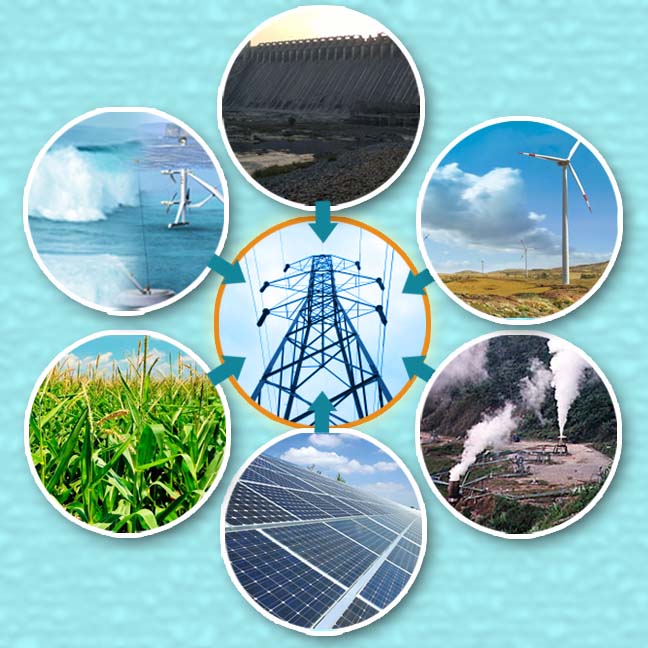
Proyecto Final "RENEWABLE ENERGY"

Hola soy Mª José y voy a comentar mi unidad didáctica.
El título es   "RENEWABLE ENERGY" va dirigida a alumnos de 2ºde ESO para la asignatura de Ciencias Naturales y está en inglés.
Los objetivos  y tareas son:

Partiendo de la definición de energía, se pasa a distinguir entre energías renovables y fósiles así como sus ventajas e inconvenientes.
Conocer los principales recursos de energías renovables, y analizarlos, para posteriormente, compararlos con los recursos tradicionales.
Aprender a buscar información en internet sobre un tema específico y resumir la información obtenida en posters o exposiciones orales o debates.
Comunicarse en la lengua extranjera(inglés) de forma clara y utilizando las estructuras que corresponden a su nivel, de forma escrita y oral.
Relacionar conceptos utilizando el vocabulario adecuado.
Para ello se trabajaran las cuatro destrezas lingüísticas.
Para ellos se han diseñado una serie de actividades, como son:

Para la actividad 1 se propone una tormenta de ideas


ACTIVITIES

Brainstorm

    "Where does the energy we use come from?"

    Lead them into saying the obvious: "Energy comes from an energy source."


    Write a heading of "Sources" on the board and brainstorm with the class for examples of energy sources. As this is occurring, pass out the worksheet

How much do you know about energy?

???????????????????????????????????

Think of the answer to this question and then tell it to your partner:

Do you think that these are sources of energy: an apple, a fire, water? Why?


I think....

Do you agree??


No, I don't agree,

I think...


Activity1. Initial activity

How much do you know about energy? Think of the answer to this question and then tell it to your partner:

Do you think that these are sources of energy: an apple, a fire, stars, water? Why? Work in pairs.

Activity 2

Now you are going to listen to some information about energy.

After listening and reading the text, work in pairs filling the gaps.


Activity 3

In group of 3, we are goign to look for information on the Internet(each group one different ENERGY

SOURCES IN THE WORLD (Natural gas, coal, oil, wind, nuclear, ocean,hydropower, biomass)

Each group will work in a different source.

Make a list answering these questions:

  • What is SOURCE( Natural gas....biomass energy?

  • Where does it come from?

  • What are its advantages/disadvantages?

Activity 4

Each group will make a poster with all the information from activity 3, including drawings, pictures and

specif vocabulary (5 or 6 words)

Activity 5

Your group should write 80 to 100 words summarizing your work in activity 3

Activity 6

One student from each group in Activity 3 will participate in a debate on the topic:

"Renewable or non renewable, that ́s the question"


If you are not one of the students in the debate, don ́t worry, you will be able to participate and give your

opinion in the final 10 minutes of the round table.

Activity 7

Self-assessment activity, tick: if you can, cannot, more or less


A continuación os muestro los recursos y materiales que he elaborado para utilizar en esta unidad.


    Resources / Materials

  • Text books


Text1

BRAINSTORM

Self-assessment

  • Videos :

https://www.youtube.com/watch?v=1-g73ty9v04

https://www.youtube.com/watch?v=ycdke8MTSCI

https://www.youtube.com/watch?v=NKJifzlOSoQ

  • Games

http://LearningApps.org/139583 ( pairs game)

http://LearningApps.org/1430912 (Crossword)

http://www.educaplay.com/es/recursoseducativos/1919032/_energy_sources.htm (wordgrid)

  • The Internet and computers

Sources found using the Internet

http://www.educaplay.com/es/recursoseducativos/1798832/solar_energy.htm (filling gaps)

http://www.educaplay.com/es/coleccion/6939/8/hydroelectricity.htm (filling gaps)

http://www.educaplay.com/es/recursoseducativos/703571/types_of_energy.htm (fIlling gaps)

http://www.educaplay.com/es/recursoseducativos/1713998/forms_of_energy.htm (Test)

http://www.educaplay.com/es/recursoseducativos/1879821/how_to_save_energy_.htm (videoquiz)

https://quizlet.com/14303565/energy-vocabulary-words-flash-cards/ (vocabulary)

http://www.mansioningles.com/Gram55.htm (Linguistic scafolding)

  • Posters, pictures, …

http://homeround.com/wpcontent/uploads/2014/01/Ed_Poster_Energy_Saving_Tips.jpg

http://www.sweetcrudereports.com/wpcontent/uploads/2015/02/Sources-of-Renewable-Energy.jpg

https://encryptedtbn1.gstatic.com/imagesq=tbn:ANd9GcRIUZeXgOayOniUyziYoOO4P4hDqM-

3G6spXnUwNVDszLhrHgjI2g


http://lunar.thegamez.net/greenenergyimage/renewable-and-nonrenewable-energy-resources/renewable-and-non-

renewableenergy-sources-nonrenewable-energy-sources-800x559.jpg


Text1.odt


ENERGY


WHAT IS ENERGY?

Energy is the ability of a system to do work. It is a physical quantity which produce a change or an effect.

In the International System, the unit of measurement for energy is the JOULE (J)

There are vdifferent types of energy, for example: Chemical energy, Electrical energy, Thermal energy, between others types.

Renewable and non-renewable energy

Energy sources are limitated some times, sources obtained from beneath the Earth. There are being used faster than they can be replenisshed. Soon these sources will run out.

There are two types: fossil fuels and uranium.

On the other hand, there are energy sources, which are replenished.continously and naturally. We call these energy souces renewable energies


We use energy for just about everything. But did you know that most of the energy that we use today is non-renewable? This means that it is not endless; it will eventually run out! Because non-enewable energy can eventually run out, we have to be really careful about how much we use! Otherwise, people in the future won't have any energy to do the things we love to do today. Can you imagine what life would be like without being able to turn off the alarm in the morning or surf the internet? That would be pretty hard!

Do you remember the difference between renewable and non-renewable?


What is Solar Energy?

Solar energy is radiant energy that is produced by the sun. Every day

the sun radiates, or sends out, an enormous amount of energy. The sun

radiates more energy in one second than people have used since the

beginning of time!

Where does the energy come from that constantly radiates from the sun?

It comes from within the sun itself. Like other stars, the sun is a big ball

of gases—mostly hydrogen and helium atoms. The hydrogen atoms in

the sun's core combine to form helium and generate energy in a process

called nuclear fusion.

,


What do you know about Wind Energy ?

Have you ever seen a wind farm? Wind farms are located in really windy places, where machines known as wind turbines are used to harness the wind. Did you know that the energy from wind can be captured to generate electricity in a way that is safe for the environment? As long as the sun shines, there will be wind on the Earth. We will never run out of wind energy! That is because wind energy is renewable.


Wind is simply air in motion. It is produced by the uneven heating of the Earth's surface by energy from the sun.


What is BIOMASS?

Biomass is biological material derived from living, or recently living organisms. In the context of biomass for energy this is often used to mean plant based material, but biomass can equally apply to both animal and vegetable derived material.

Renewable organic materials, such as wood, agricultural crops or wastes, and municipal wastes, especially when used as a source of fuel or energy. Biomass can be burned directly or processed into biofuels such as ethanol and methane.

Ethanol Refinery

SELF-ASSESEMENT


Tick if you can do, can not do, or can do more or less , these things:


RENEWABLE ENERGY

I CAN

CANNOT

MORE OR LESS

I can understand the meaning of the word energy


I can recognize the different sources of energy


I can understand when I listen information about sources of energy


I can describe a source of energy using easy expressions


I can describe a source of energy using more complex

expressions


I can spell vocabulary words about source of energy


I can find information on a specific topic on the Internet


I can write about the advantages and disadvantages of the main sources of energy


I can explain what I think about the use of the different

sources of energy


I can make posters summarizing information


I can know different forms of saving energy


Un saludo María José Moreno Figueroa